
CRDC: Cheshire and Merseyside pioneers innovative IMP transfer model to bring research closer to patients
02 October 2026
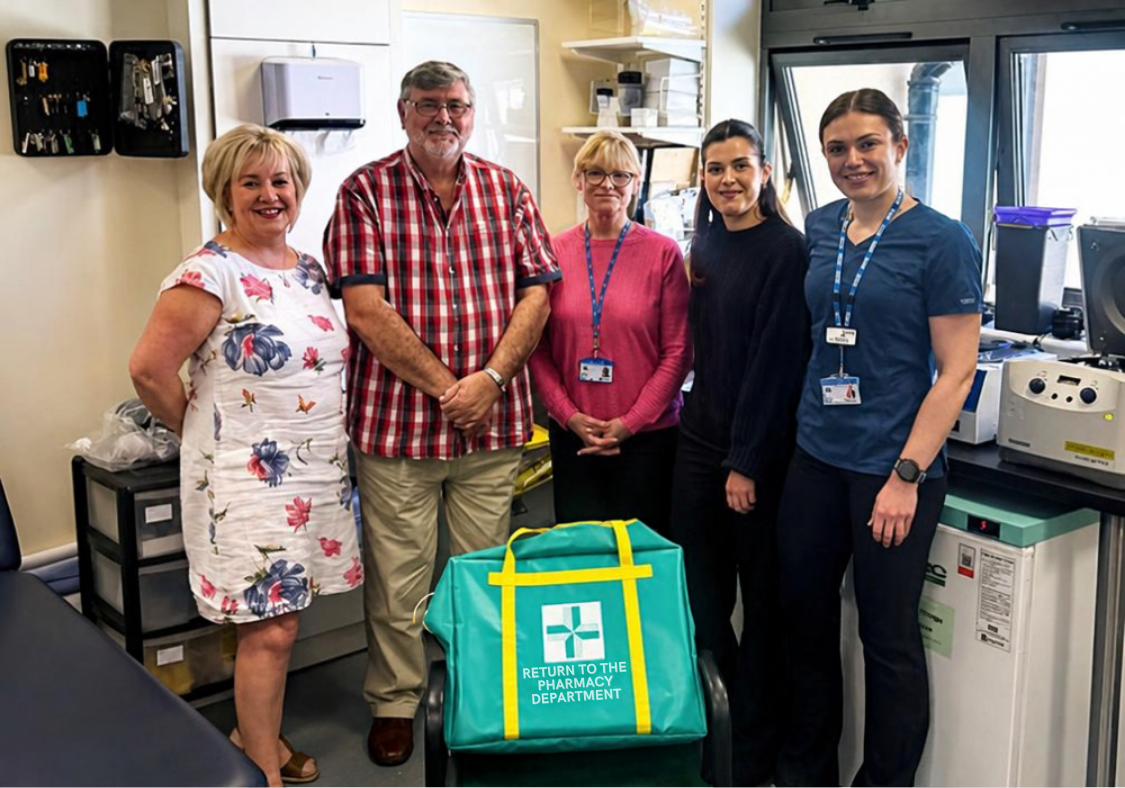
The NIHR Commercial Research Delivery Centre in Primary Care (CRDC-PC): Cheshire and Merseyside has successfully developed an innovative approach to Investigational Medicinal Product (IMP) transfer between sites, with scope to scale across the UK.
The NIHR Commercial Research Delivery Centre in Primary Care (CRDC-PC): Cheshire and Merseyside has successfully developed an innovative approach to Investigational Medicinal Product (IMP) transfer between sites, with scope to scale across the UK.
Working in partnership with the sponsor, teams at Ashfields Primary Care Centre and Kiltearn Medical Centre have become the first CRDC Primary Care site to establish a fully governed process for transferring IMP between sites within a commercial clinical trial. The approach enables participants to take part in research closer to home while supporting recruitment across a wider geographical area.
Under the model, the sponsor holds a single contract with Ashfield Primary Care Centre, while Kiltearn operates as a satellite site. Participants can be identified, screened and supported across both locations, with IMP transferred safely to the site most convenient for the participant.
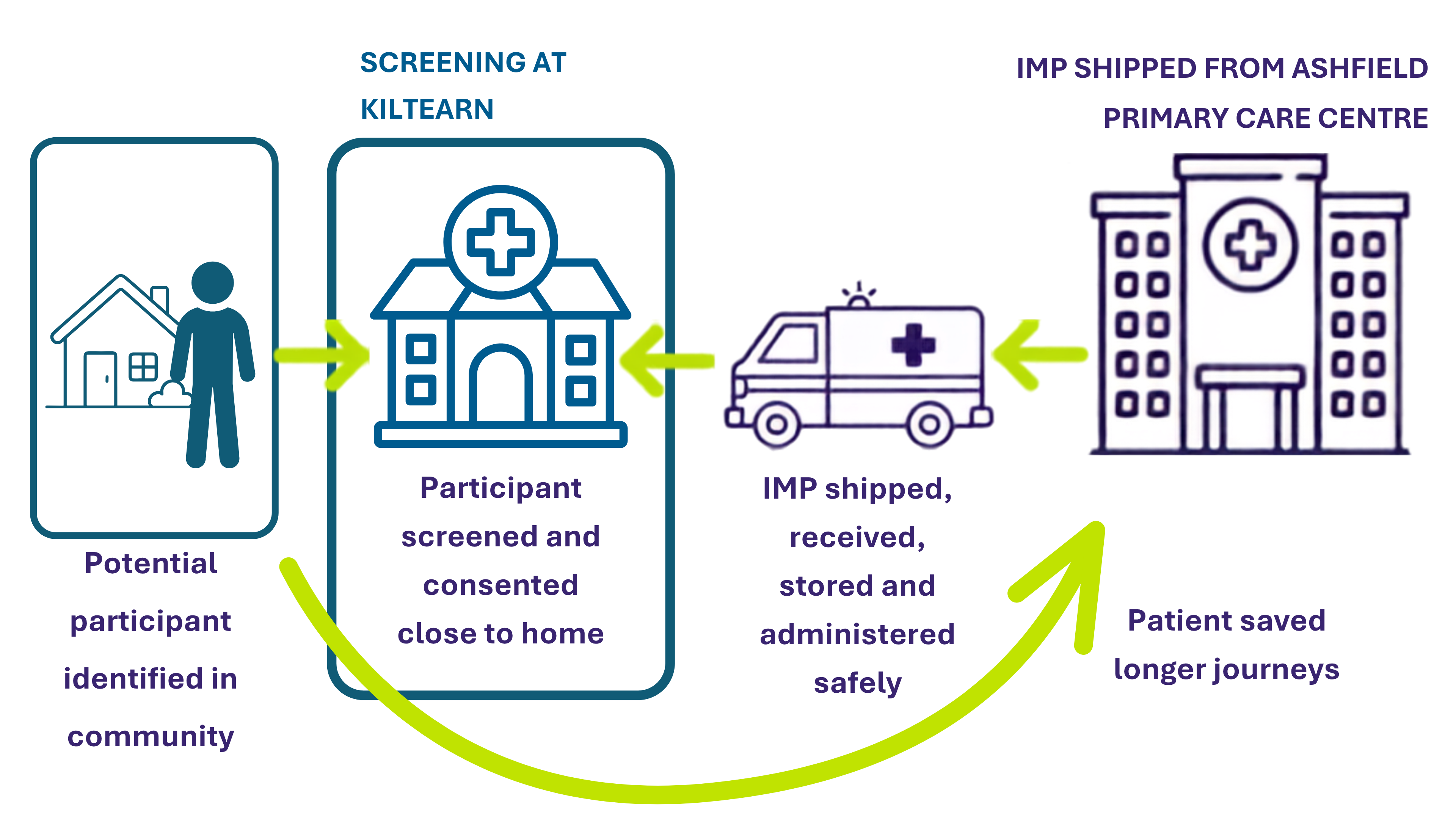
The initiative was developed in response to a practical recruitment challenge. Although Ashfield and Kiltearn are only around six miles apart, potential participants were reluctant to travel to receive investigational treatment, creating a significant barrier to participation. By enabling IMP administration at Kiltearn, the teams have removed that obstacle and improved the overall participant experience.
Carolyn Paul, GP Partner, Kiltearn Medical Centre, said: "This project was driven by a simple goal: making it easier for people to take part in research. We knew some patients were reluctant to travel, even relatively short distances, so we worked collaboratively to find a safe and compliant solution. Being able to offer treatment closer to home has made a real difference for participants."
Over eight months, the team worked through a range of operational, governance and regulatory considerations, including temperature monitoring, Principal Investigator oversight, delegation arrangements, documentation, participant information and IMP storage. This led to the development of a Standard Operating Procedure (SOP) to support the transfer process. The SOP provides a practical framework for transferring IMP between primary care locations and offers a blueprint that can be adapted to other studies and used by Commercial Research Delivery Centres (CRDCs) across the CRDC UK Network.
Beyond the immediate study, the approach has wider implications for commercial research delivery. By enabling recruitment and treatment across multiple locations, sponsors can access broader patient populations, increase research opportunities and reduce the burden of travel.
Dr Paul added: "We're incredibly proud of what has been achieved through this collaboration. It demonstrates what's possible when sites, sponsors and research teams work together to put participants first. If this approach helps other centres bring research closer to their communities, then the impact could extend far beyond this single study."
One of the first patients to be able to benefit was Michael Baptist. He said: “Being able to attend a centre close to home was a genuine consideration when accepting the offer to participate. Equally important was the warmth of the welcoming and professional staff, which contributed to making my visits pleasurable.”
By providing a practical blueprint for future IMP transfer arrangements, the initiative has the potential to transform how multi-location studies are delivered, helping more centres bring research closer to communities and widening access to clinical trials across the UK.
Jenny Crooks, Operations Director for the CRDC UK Network, said: “Initiatives like this are critical to the future of UK clinical research. By putting patients at the heart of trial design, we can improve access to research, support better recruitment and retention, and create more sustainable models of trial delivery. This not only benefits patients but also strengthens the UK's recruitment potential and attractiveness as a destination for clinical trials. We thank CRDC-PC: Cheshire and Merseyside and the sponsoring organisations whose commitment and collaboration have made this possible. The learning from this initiative will help shape the future delivery of multi-location studies across the CRDC UK Network.”
NIHR CRDC-PC: Cheshire and Merseyside is part of the CRDC UK Network, which brings together 35 centres across primary, secondary and specialist care to strengthen the UK’s position as a global leader in commercial clinical research. In partnership with the pharmaceutical industry and the NIHR Industry Hub, the Network provides a coordinated UK-wide infrastructure for fast, reliable and consistent trial delivery at scale. It offers industry access to high-performing research sites and enables inclusive, decentralised trials, allowing more people from more communities across the NHS to take part in research.
Further news